Castile Mastah: The Premium Script Font for Authentic Brand Identity
It was a Tuesday morning, and I was staring at a stack of plain white boxes that were supposed to hold my new line of handmade soaps. They looked functional, sure, but they lacked the soul of the business I had spent years building. My customers were asking for more than just a good product; they wanted an experience. They wanted to feel the care that went into every batch before they even opened the lid. That is when I realized my branding needed a voice, and specifically, it needed a signature.
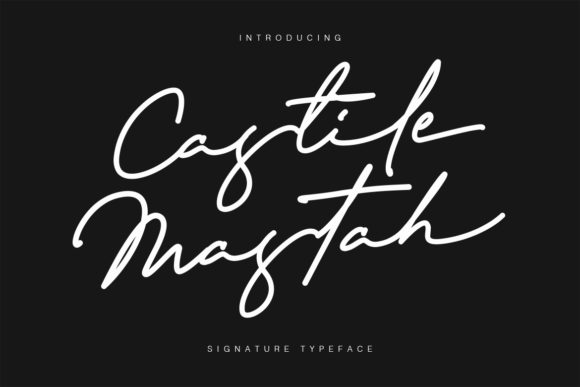
I decided to test Castile Mastah, a script font from the Script Amp collection, on a small scale first. I printed out some mockups for thank-you cards included in the shipping boxes. The moment I saw the text rendered, the entire vibe shifted. It wasn't just ink on paper; it felt like a handwritten note from a friend who truly understood your needs. This isn't just another decorative typeface; it is a tool that can elevate a small business from looking like a hobby project to appearing as a polished, professional brand.
Why Handcrafted Typography Changes Customer Perception
In the world of online shopping and direct-to-consumer sales, your visual identity is often the only thing standing between a customer and a purchase. When someone lands on your Instagram page or sees your packaging in their mailbox, they are making split-second decisions about trust and quality. A generic sans serif font might be clean, but it often feels cold or corporate. Conversely, a poorly executed handwritten style can look messy or unprofessional.
Castile Mastah hits that sweet spot perfectly. As a script font designed with an authentic handcrafted feel, it bridges the gap between formal elegance and personal warmth. It mimics the natural flow of a calligraphy pen without being overly ornate or difficult to read. For a bakery updating its packaging, a candle seller redesigning labels, or a boutique creating tags, this font adds a layer of authenticity that modern consumers crave.
When I applied Castile Mastah to my soap labels, the texture of the letters seemed to match the artisanal nature of the product. It signaled to the customer that these items were made by human hands, not mass-produced in a factory. This subtle psychological cue can significantly boost perceived value. People are willing to pay more for products that feel unique and carefully curated, and typography plays a massive role in establishing that narrative.
Real-World Applications for Small Business Growth
The versatility of this typeface makes it incredibly useful across various touchpoints of a brand. I have tested it in several scenarios where consistency is key to building a memorable brand identity. Here is how it performs in different commercial contexts:
- Product Packaging and Labels: Whether you are designing a jar label for homemade candles or a tag for clothing, Castile Mastah works beautifully as a display font. Its fluid strokes draw the eye immediately to the product name, making it stand out on a crowded shelf or in a digital feed.
- Thank-You Cards and Inserts: Nothing builds loyalty like a personal touch. Using this font for "Thank You" notes or care instructions inside a package creates an emotional connection. It transforms a transaction into a relationship.
- Social Media Graphics: For content creators and bloggers, maintaining a consistent aesthetic is vital. I used Castile Mastah for Instagram story highlights and promotional banners. It adds a creative flair that stops the scroll, especially when paired with high-quality photography.
- Menus and Flyers: Café owners and event planners can use this script font for daily specials or event flyers. It brings a sense of editorial design to printed materials, making them look like something found in a high-end magazine rather than a standard flyer.
One of the most critical aspects of using a script font like Castile Mastah is knowing where to place it. It excels as a headline font, a logo element, or a short phrase accent. However, readability remains paramount. If you are designing a menu with many items or a website with long descriptions, relying solely on this font can make the text hard to scan. In those cases, it serves best as a decorative accent or a title, while body text should remain clear and legible.
Mastering Font Pairing for Professional Results
A common mistake I see small business owners make is trying to let one font do all the heavy lifting. While Castile Mastah is stunning, it shines brightest when paired correctly. The secret to a cohesive brand identity lies in balancing personality with clarity.
For a balanced look, I recommend pairing Castile Mastah with a clean sans serif font. Imagine a coffee shop logo where the shop name is written in the flowing Castile Mastah, but the description of the roast or the location details are in a simple, geometric sans serif. This combination ensures that the artistic flair doesn't compromise readability. The script provides the emotion, while the sans serif provides the structure.
If you prefer a more classic or luxurious aesthetic, try pairing it with an elegant serif font. This combination is fantastic for wedding invitations, bridal boutiques, or high-end skincare brands. The mix of a traditional serif and a modern script creates a sophisticated editorial design feel that suggests premium quality. For those working on digital ads or mobile screens, ensure that the contrast between the two fonts is distinct so that the text remains sharp on smaller devices.
When selecting a pair, keep the purpose of the text in mind. Use Castile Mastah for titles, logos, and short quotes. Use your supporting font for instructions, pricing, and detailed information. This hierarchy guides the customer's eye through the design logically, ensuring they absorb the most important information first.
Technical Considerations for Commercial Success
Beyond the visual appeal, there are practical considerations when integrating a new typeface into your business operations. Before purchasing or downloading any font, including Castile Mastah, it is essential to check the file formats and licensing terms. Most premium fonts come in various formats like OTF, TTF, or WOFF, which are compatible with different software such as Adobe Illustrator, Photoshop, Canva, or web design platforms.
Always verify the commercial font license. If you plan to use the font on physical merchandise, product packaging, or client work, you need to ensure you have the right permissions. Some licenses cover digital use only, while others allow for print and merchandise. Additionally, check if the font includes alternate characters, ligatures, or multilingual support. These features can save hours of manual editing and ensure that your designs look flawless whether you are writing in English or other languages.
Ultimately, investing in a high-quality typeface like Castile Mastah is an investment in your brand's future. It helps you look more trustworthy, recognizable, and customer-friendly. By choosing a font that tells a story of craftsmanship and care, you align your visual identity with the values your customers appreciate. Whether you are refreshing an online shop banner, printing stickers for a craft fair, or updating your website headers, Castile Mastah offers the authentic handcrafted feel that modern branding demands.
Don't let your brand get lost in a sea of generic templates. Take a moment to evaluate your current typography. Does it reflect the quality of your work? With the right script font, you can turn simple text into a powerful brand asset that resonates with your audience and sets your business apart.